





Are Ray Dalio And Patricia Poppe Related? What Can Aspiring Entrepreneurs Learn
Digging into how Ray Dalio and Patricia Poppe run their companies feels like a crash course in using systems and culture to drive business success
Looking at how these two leaders tackle scaling, crisis response, and process improvements gives us concrete lessons on planning a business structure that lasts.
Whether you’re growing your side hustle, managing a bigger team, or facing a big career move, their approaches can really reshape how you deal with day-to-day obstacles.
I want to walk you through a hands-on comparison, showing how their corporate strategies aren’t just for Fortune 500s – they can actually serve as practical guides for your own growth, both at work and in life.
Ray Dalio And Patricia Poppe Executive Overview
To begin with, we need to look at how these individuals have gone about their business differently. This will help us show how different industries require different approaches but still follow the same principles.
Ray Dalio:
Dalio is a genius who founded Bridgewater Associates in 1975. It has since grown to become the largest hedge fund in the world.
Ray uses a global macro investing approach using algorithmic rules to drive his investment decisions.
Ray resigned from the board and fully withdrew himself as an equity holder in July 2025.
Patricia Poppe:
On the other hand, Poppe is an extremely talented industrial engineer who became CEO at PG&E Corporation (Pacific Gas and Electric) in January 2021.
She previously worked as CEO at CMS Energy and made history as the first female utility executive to move between two Fortune 500 utilities.
Connection Between Ray Dalio And Patricia Poppe:
There is no connection between these individuals. Bridgewater Associates invest in a very diverse portfolio of stocks. They often make changes to their position within large utilities such as PG&E based on the macro data from their algorithm.
Ray Dalio And Patricia Poppe Similarity: How Are They Alike?
Looking deeper into how these individuals operate, we can see they have a fundamental belief that organizations are machines and must be engineered properly.
Both believe that running a business should be treated like a science and processes must be documented, tested, and improved.
- Machines: They view their businesses as large machines. If something goes wrong, they will not shout at the machine but look for what part is causing the issue.
- Transparency: They do not believe in a top-down approach. They want their organization to have clear lines of communication so everything can be brought to their attention.
- Reduce Errors: They believe humans make mistakes and errors so to ensure quality, they will create a system to catch these errors before they cause problems.
| Operational Focus | Ray Dalio (Bridgewater Associates Framework) | Patricia Poppe (PG&E Corporation Framework) |
| System Approach | Algorithmic rules governing macro investment portfolios | Lean engineering applied to physical energy infrastructure |
| Error Tracking | Digital issue logs tracking flawed logic and mental errors | Safety metrics tracking physical and operational defects |
| Communication Style | Radical transparency and open peer-to-peer critique | Psychological safety allowing field workers to flag hazards |
| Strategic Goal | Mitigating systemic macroeconomic portfolio risks | Mitigating structural wildfire and regulatory liabilities |
Using Radical Transparency And Lean Principles Within New Businesses
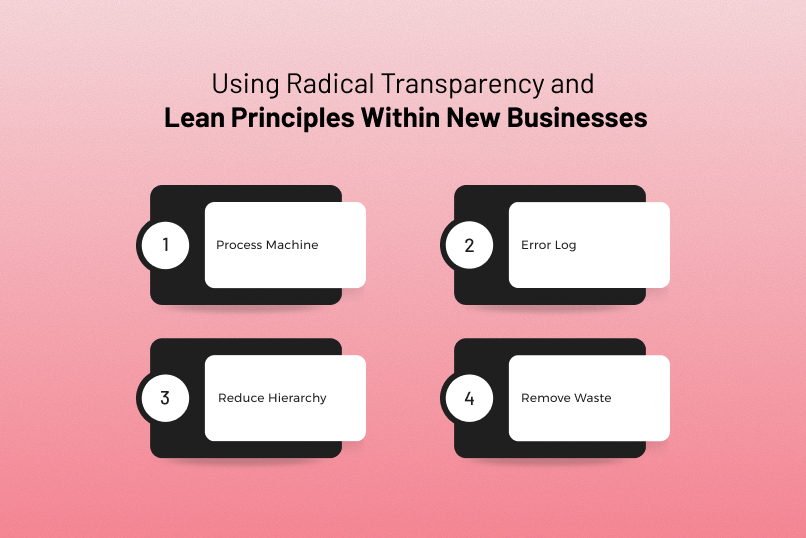
When starting a new project or side hustle, using a framework inspired by Ray Dalio and Patricia Poppe will prevent the chaos that plagues most new businesses. Using these heavy corporate techniques within your small team will give you a huge edge.
Process Machine:
Don’t use any informal rules or guidelines. Everything should be documented using SOPs. Every task should be broken down into SOPs. For example, bringing in a freelancer or a basic social media marketing campaign.
Error Log:
Ensure you have a digital log of all your errors. This should be done without any personal bias. When you have issues delivering to a customer, don’t blame it on a person but look at the issue within your delivery process.
Reduce Hierarchy:
If you work with partners/staff/contractors, give them the power to highlight issues within your strategy. It will be much cheaper to find a major issue internally rather than it being found by the open market.
Remove Waste:
Use lean manufacturing principles. Regularly audit your daily schedule. Remove any meetings, tools, or processes that don’t add value to your end user/customer.
Creating A Resilient Workflow
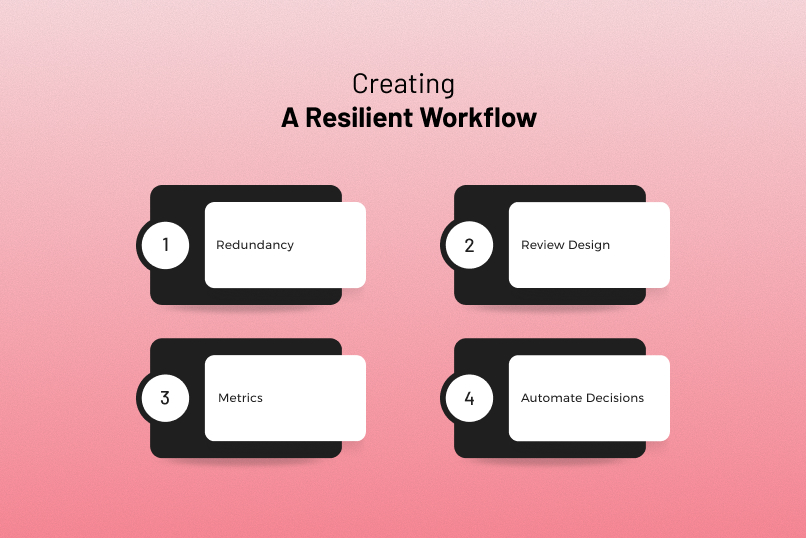
One of the main issues when creating your career or business is making sure it is resilient to human errors. Using the core principles from Ray Dalio and Patricia Poppe, we can ensure our workflow is resilient.
Redundancy:
Never have any single points of failure within your business. If your whole side income comes from one piece of software, supplier, or customer, then create a backup.
Review Design:
If you miss a target look at the issue objectively. Was it due to poor implementation, or was the design at fault?
Metrics:
Create daily/weekly KPIs. This takes the emotion out of reviewing your progress. If you are behind on a metric, your system should automatically trigger an intervention.
Automate Decisions:
Create clear rules for your regular decisions. This will free up your brain to use for high-pressure creative problem-solving.
You May Also Love To Read: How Elite Leaders Derek Jeter And Hans Vestberg Handle Executive Pressure.
Managing Strategic Change: Lessons From Dalio And Poppe
When managing your career or business, you need to know how to steer your organization through volatile situations. This is a key strength of both individuals. I will show you how you can utilize their strategies to transform your career when you hit a major obstacle.
- Independent System: To ensure longevity, you want to create a system that can run independently. You want to create a workflow that is so smooth you could hand it over to someone else.
- Crisis Management: If your business hits a brick wall or you have lost a main source of income, break it down into steps. Identify your main liability, bring your cash flow back under control, and regain trust by showing transparent performance.
- Quality Checks: Create strict checks before anything goes to a client. This will ensure any variation is caught early and your brand image remains untouched.
- Adapt: Never become attached to a plan. Use the feedback from your environment to adapt quickly. This means your business model will always match what the market wants.
Bottom line? Dalio and Poppe might seem miles apart. But if you borrow their systems and attitude, you’ll actually give yourself a fighting chance against the usual chaos – no matter what stage your business or career is in.
Additional Resource: Robin Li And Bruce Broussard: Contrasting Philosophies Of Modern Business Tech Leaders